History of the Routemaster Bus
History of the Routemaster Bus
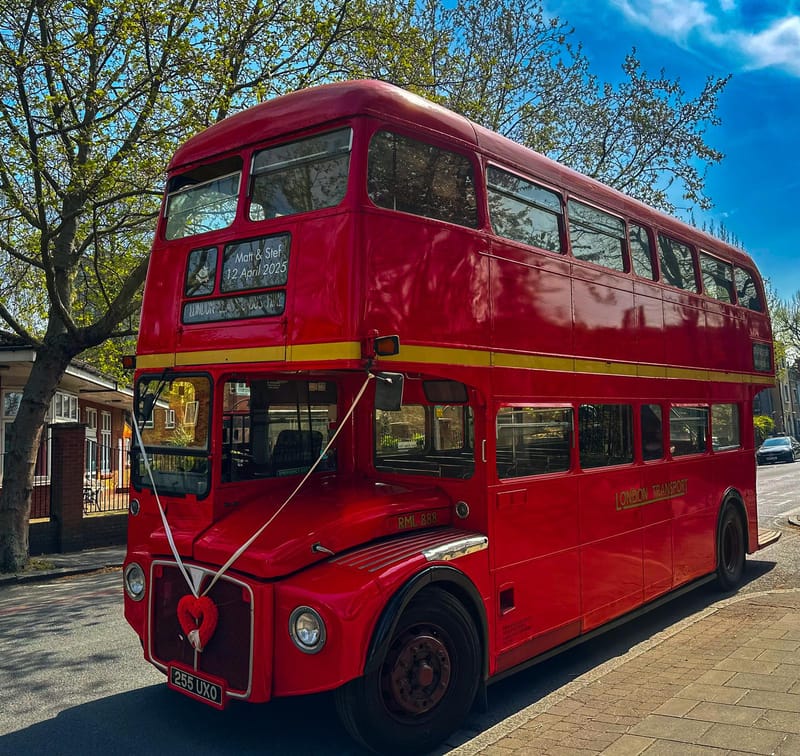
The Routemaster bus is one of the most recognisable vehicles in British transport history and an enduring symbol of London. Introduced in the mid-20th century, the Routemaster was designed specifically for the capital’s streets and quickly became famous for its distinctive shape, open rear platform, and conductor-operated service.
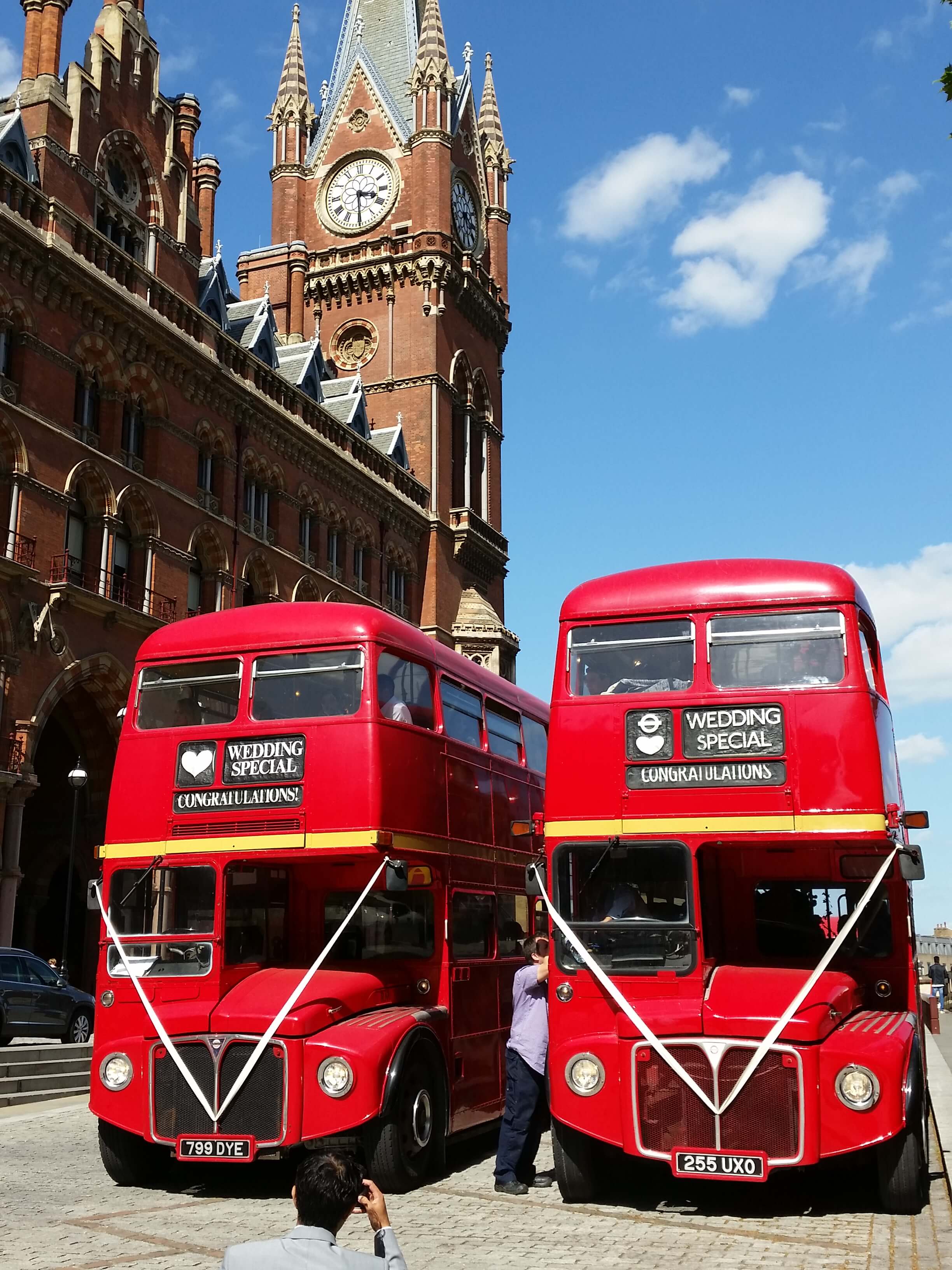
Today, the Routemaster remains a much-loved classic, admired for its engineering, character, and connection to London’s heritage.
Origins of the Routemaster
The Routemaster was developed in the early 1950s by London Transport as a modern replacement for earlier double-deck buses. The goal was to create a vehicle that was lighter, more efficient, and better suited to London’s demanding urban environment.
Key design innovations included:
An aluminium body to reduce weight
Modular construction for easier maintenance
A front-mounted engine
The iconic open rear platform
The first Routemasters entered service in 1956, marking the beginning of a new era in London bus design.
The RM Routemaster
The original standard Routemaster model is known as the RM.
Key features of the RM:
Approximate seating capacity: 64 passengers
Standard length double-deck layout
Open rear platform with conductor operation
Designed for frequent stops and high passenger turnover
The RM quickly became the backbone of London’s bus network and was widely used across the city for decades. Its compact size and manoeuvrability made it ideal for central London routes.
The RML Routemaster (Extended Version)
As passenger demand increased, a longer version of the Routemaster was introduced — the RML.
Key differences of the RML:
Extended body length compared to the RM
Increased seating capacity (typically 72 seats)
Same classic appearance and operating principles
Improved capacity for busy routes and peak travel
The RML allowed London Transport to carry more passengers without compromising the familiar Routemaster design.
Both RM and RML models are now highly sought after for private hire due to their authenticity and visual impact.
The Routemaster in London Life
For decades, Routemasters were part of everyday life in London. They operated on countless routes, served generations of commuters, and became inseparable from the image of the capital itself.
Their open platform, conductor service, and distinctive engine note made them instantly recognisable — not just to Londoners, but to visitors from around the world.
Although modern buses eventually replaced Routemasters on regular routes, their cultural significance ensured they were never forgotten.
Routemasters Today
Today, classic Routemaster buses are preserved and maintained by specialist operators and enthusiasts who understand their historical value. Rather than serving as everyday public transport, Routemasters are now used for:
Weddings and special occasions
Heritage events and celebrations
Film and television productions
Private hire and promotional work
Their timeless design and connection to London’s history make them particularly popular for weddings and landmark events.
RM vs RML: A Quick Comparison
| Feature | RM | RML |
|---|---|---|
| Length | Standard | Extended |
| Seating Capacity | ~64 | ~72 |
| Appearance | Classic Routemaster | Classic Routemaster (longer) |
| Use Today | Private hire & events | Private hire & events |
Both models offer the same unmistakable Routemaster experience, with the RML providing additional capacity for larger groups.
A Lasting Icon
More than half a century after their introduction, Routemaster buses remain one of Britain’s most celebrated vehicles. Their blend of practical engineering, distinctive styling, and deep connection to London ensures they continue to be admired and enjoyed today.
Whether seen on the streets, at a wedding, or at a special event, the Routemaster remains a true icon of London transport history.
Get a quote for a Classic Routemaster Bus to check availability and discuss your plans.